Why a Strong Routine Is the Foundation of a Healthy Lifestyle

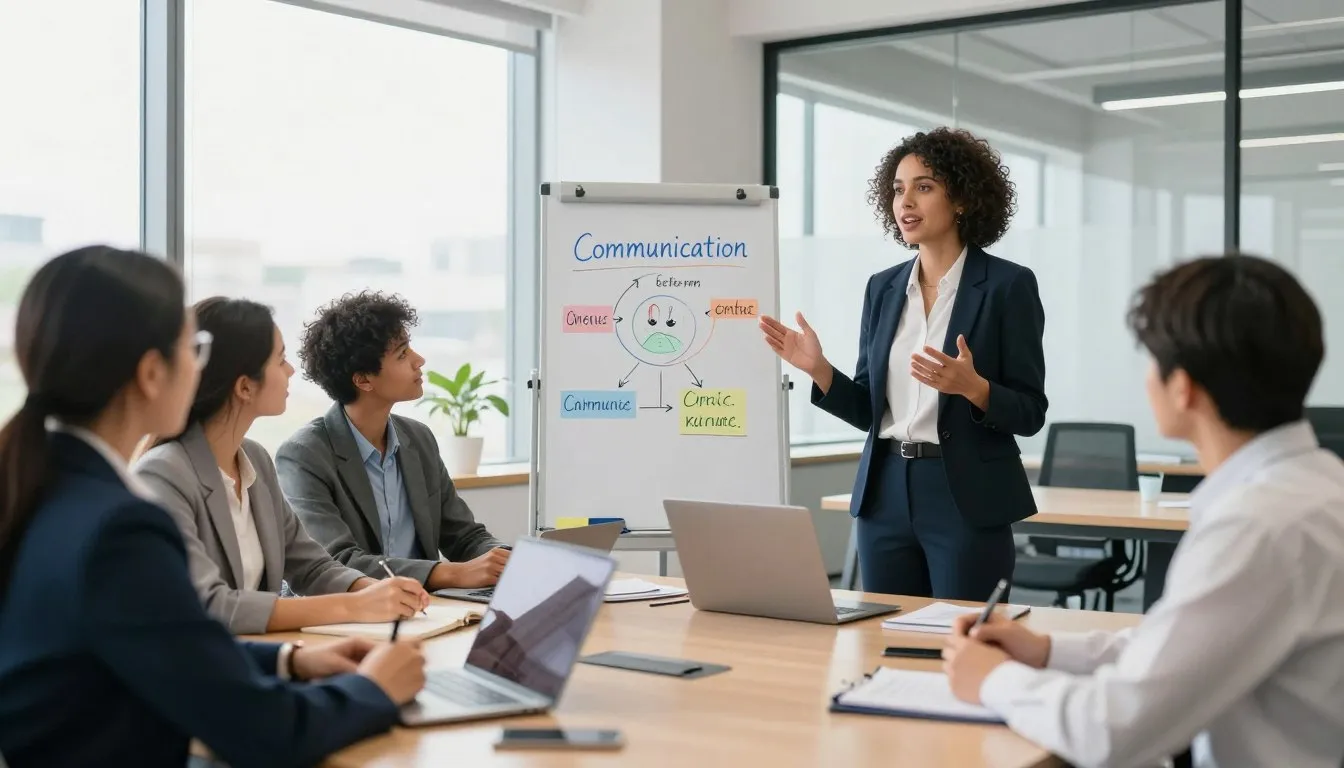
Effective communication skills are the foundation upon which we build our relationships, achieve our goals, and grow as individuals. By improving our ability to communicate, we can enhance our self-confidence and become more empathetic towards others.
Developing strong communication skills is crucial for self-improvement. It enables us to express our thoughts and feelings clearly, resolve conflicts more efficiently, and build stronger relationships.
Communication plays a pivotal role in self-improvement by shaping our identity and fostering a positive self-image. Through effective communication, individuals can articulate their thoughts, feelings, and needs, leading to a better understanding of themselves and others.
The way we communicate influences how we perceive ourselves and how others perceive us. Language is a powerful tool that not only conveys information but also shapes our thoughts and feelings.
Language affects our self-perception by providing a framework for understanding our experiences and emotions. By choosing our words carefully, we can foster a more positive self-image.
Effective communication serves as a mirror for self-reflection, allowing us to understand our strengths and weaknesses. Through open and honest communication, we can gain insights into our behaviors and attitudes.
Effective communication has numerous psychological benefits, including reduced anxiety and stress, and increased self-confidence and self-esteem.
Clear and confident communication can reduce anxiety and stress by avoiding misunderstandings and ensuring that our needs are met.
By expressing ourselves effectively, we can build self-confidence and self-esteem, leading to greater personal satisfaction and achievement.
| Benefits of Effective Communication | Description |
|---|---|
| Reduced Anxiety | Clear communication reduces misunderstandings, thereby decreasing anxiety. |
| Increased Self-Confidence | Effective expression of thoughts and feelings boosts self-confidence. |
“The art of communication is the language of leadership.”
To improve your communication skills, it’s essential to start by assessing your current style. This involves understanding how you interact with others, your strengths, and areas where you can improve.
Recognizing your communication strengths is vital. These are the areas where you naturally excel, such as being articulate, a good listener, or able to convey complex ideas simply. Acknowledging these strengths can boost your confidence and help you understand how to leverage them in various situations.
Equally important is identifying your communication weaknesses. These might include tendencies to dominate conversations, struggle with articulating thoughts, or misinterpreting others. Being aware of these weaknesses allows you to work on them, thereby improving your overall communication style.
Several tools can aid in self-assessment. These include:
These inventories are designed to assess your communication preferences and tendencies. They can help you understand whether you are more assertive, passive, or aggressive in your communication.
Seeking feedback from people you trust, such as friends, family, or colleagues, can provide valuable insights. They can offer observations on your communication style that you might not have considered.
To truly connect with others, we must first learn to listen actively. Active listening is a crucial aspect of effective communication, enabling us to understand and respond thoughtfully. By being fully present in conversations, we can improve our listening skills and build stronger relationships.
Improving our listening skills requires practice and dedication. Two effective techniques are mindful presence and note-taking with reflection.
Being mindful during conversations means being fully engaged and present. This involves:
Note-taking can enhance our listening by helping us remember key points. Reflection after a conversation can also deepen our understanding.
Active listening has a profound impact on our relationships. By truly hearing and understanding others, we can:
Despite its importance, active listening can be challenging due to various barriers. Two significant obstacles are internal distractions and environmental obstacles.
Internal distractions, such as our own thoughts and biases, can hinder our ability to listen. Techniques to manage these include mindfulness and self-reflection.
Environmental factors like noise can also impede listening. Creating a conducive environment for conversation can help mitigate these obstacles.
Verbal communication plays a vital role in enhancing our ability to connect with others and grow as individuals. Developing effective verbal communication skills is crucial for personal development and achieving our goals.
Achieving clarity and conciseness in speech is fundamental to effective verbal communication. It involves expressing our thoughts in a clear and straightforward manner, avoiding unnecessary complexity.
Filler words and phrases, such as “um” and “you know,” can detract from our message and make us appear less confident. Practicing mindfulness and preparing our thoughts before speaking can help eliminate these verbal crutches.
Structuring our message in a logical and coherent way enhances understanding and engagement. This can be achieved by introducing our topic, elaborating on it, and summarizing the key points.
Using positive language can significantly impact our interactions and relationships. It involves framing our messages in a positive and constructive way, focusing on solutions rather than problems.
| Aspect | Negative Language | Positive Language |
|---|---|---|
| Criticism | “You’re wrong.” | “Let’s explore alternative solutions.” |
| Feedback | “This is not good enough.” | “Here’s how you can improve.” |
Adapting our communication style to different audiences is crucial for effective interaction. This involves being aware of our audience’s needs, preferences, and cultural backgrounds.
Being able to “read the room” and adjust our communication style accordingly is a valuable skill. It involves paying attention to nonverbal cues and feedback from our audience.
Cultural sensitivity is essential in today’s diverse and globalized world. It involves being aware of and respecting cultural differences in communication styles and preferences.
Nonverbal communication, including body language and facial expressions, is vital for projecting confidence and building strong relationships. Mastering nonverbal cues can significantly enhance our communication skills, leading to greater personal development.
Confident body language is crucial for making a good impression and asserting oneself in various social and professional settings. It involves a combination of posture, stance, eye contact, and facial expressions that convey self-assurance.
Maintaining good posture is fundamental to projecting confidence. This includes standing tall with shoulders back and feet shoulder-width apart. A confident stance can make an individual appear more assertive and prepared for interactions.
Eye contact is another critical aspect of nonverbal communication. It conveys interest, attention, and confidence. Facial expressions should be appropriate to the context, with a genuine smile often being the most effective way to create a positive impression.
Being able to read and respond to others’ nonverbal cues is equally important. This involves paying attention to body language, facial expressions, and tone of voice to understand the underlying message being communicated.
It’s essential to be aware of cultural differences in nonverbal communication. What is considered confident or polite in one culture may be perceived differently in another. Being sensitive to these differences can help avoid misunderstandings and foster more effective communication.
The ability to understand and manage our emotions is crucial for effective communication, making emotional intelligence a vital skill to cultivate. Emotional intelligence encompasses several key components, including self-awareness, self-regulation, motivation, empathy, and social skills.
Understanding our emotions is the first step towards managing them effectively. This involves recognizing our emotional states and the triggers that cause them.
Emotional triggers can be internal or external. Internal triggers might include memories or thoughts, while external triggers could be specific situations or people. Identifying these triggers is crucial for developing strategies to manage our emotional responses.
Several techniques can help regulate emotions, including mindfulness, deep breathing exercises, and cognitive reappraisal. Mindfulness, in particular, has been shown to reduce stress and improve emotional regulation by encouraging a present-focused awareness.
Recognizing others’ emotional states is a critical aspect of emotional intelligence. This involves being able to read nonverbal cues, such as body language and facial expressions, and understanding the emotional nuances of verbal communication.
Empathy is the ability to understand and share the feelings of others. Building empathy involves active listening and perspective-taking.
Perspective-taking exercises can enhance empathy by encouraging us to consider others’ viewpoints and understand their experiences.
Validating others’ emotions and acknowledging their experiences can strengthen relationships and foster a deeper understanding between individuals.
| Emotional Intelligence Component | Description | Communication Benefit |
|---|---|---|
| Self-Awareness | Understanding one’s emotions | Improved emotional regulation |
| Empathy | Understanding others’ emotions | Deeper, more meaningful relationships |
| Social Skills | Effective communication and interaction | Better collaboration and conflict resolution |
Conflict resolution is not just about ending disputes; it’s also a pathway to personal development. Conflicts are an inevitable part of human interaction, but they can be opportunities for growth if handled constructively.
Viewing conflicts as chances to learn and improve can significantly impact our personal growth. It involves being open to different perspectives and willing to adapt our approach to achieve a resolution.
Constructive disagreement is about navigating conflicts in a way that respects all parties involved. Two key techniques for this are using “I statements” and active problem-solving approaches.
Using “I statements” instead of “you statements” can prevent blame and defensiveness. For example, saying “I feel frustrated when…” rather than “You always…” can help keep the conversation constructive.
Active problem-solving involves collaborating to find a solution that works for everyone. This can include brainstorming together and considering multiple viewpoints to reach a mutually beneficial outcome.
Negotiation and compromise are essential skills for resolving conflicts. Finding a win-win solution that satisfies all parties is ideal, and setting healthy boundaries is crucial for maintaining respect and understanding in any agreement.
A win-win solution is one where all parties feel their needs have been met. This requires creativity and a willingness to listen to and understand the other party’s needs and desires.
Setting healthy boundaries is about clearly communicating what you are and are not comfortable with. This helps prevent resentment and ensures that any agreement reached during a conflict is sustainable.
By mastering conflict resolution skills, individuals can turn potentially divisive situations into opportunities for personal growth and stronger relationships.
Digital communication has become an integral part of modern life, influencing how we connect and interact. As technology continues to evolve, it’s essential to adapt our communication skills to the digital landscape.
When it comes to email and messaging, clarity and tone are crucial. Using clear and concise language helps avoid misunderstandings. Consider the tone of your message to ensure it conveys the intended emotion.
To achieve clarity, focus on the main point of your message and avoid using jargon or overly complex language. The tone should be adjusted according to the context and audience.
Responding promptly to messages is vital in maintaining effective communication. Ensure that your digital communication tools are accessible to everyone, including those with disabilities.
| Email Practice | Best Approach |
|---|---|
| Clarity | Use simple and direct language |
| Tone | Be aware of the emotional tone |
| Response Time | Reply within 24 hours |
Social media platforms require unique communication strategies. Understanding your audience and tailoring your content accordingly is key to effective social media communication.
Authenticity is crucial in digital communication. Aligning your online and offline personas helps build trust with your audience.
Consistency across all platforms is vital. Ensure that your digital presence reflects your real-life personality and values.
Managing your digital reputation involves being mindful of the content you share online. Regularly review your digital footprint to ensure it aligns with your personal brand.
By implementing these strategies, you can enhance your digital communication skills and maintain a strong online presence.
The ability to communicate effectively is a key determinant of professional success, influencing everything from team dynamics to client relationships. In today’s competitive job market, having strong communication skills can significantly enhance your career prospects.
Effective presentation and public speaking skills are essential for conveying ideas, persuading audiences, and demonstrating expertise. To improve in this area, consider the following techniques:
Storytelling is a powerful tool in presentations, allowing you to connect with your audience on an emotional level and make your message more memorable. By incorporating narratives into your presentations, you can make complex information more engaging and accessible.
Managing nervousness is crucial for delivering confident presentations. Techniques such as deep breathing, visualization, and thorough preparation can help reduce anxiety and improve your overall performance.
| Technique | Description | Benefit |
|---|---|---|
| Deep Breathing | Slow, deliberate breathing to calm the nerves | Reduces anxiety |
| Visualization | Imagining a successful presentation | Boosts confidence |
| Thorough Preparation | Rehearsing your presentation multiple times | Enhances confidence and reduces nervousness |
Networking is a vital aspect of professional advancement, and effective communication is at its core. By building strong relationships through clear, respectful, and engaging communication, you can expand your professional network and uncover new opportunities.
Leadership communication involves inspiring, motivating, and guiding others towards a common goal. Effective leaders use communication to foster a positive work environment, drive team performance, and achieve organizational objectives.
Leaders can inspire and motivate their teams by communicating a clear vision, recognizing achievements, and providing support. This encourages team members to work towards common goals with enthusiasm and dedication.
Constructive feedback is essential for growth and development within a team. Leaders should provide feedback that is specific, timely, and actionable, helping team members to learn from their experiences and improve their performance.
Effective communication is the cornerstone of personal growth and development. By integrating communication skills into your daily life, you can enhance your self-confidence, improve your relationships, and achieve your goals. The techniques and principles discussed in this article provide a foundation for your personal development journey.
As you continue on your path, remember that communication skills integration is an ongoing process. It requires practice, patience, and persistence. By applying the skills you’ve learned, you’ll become more adept at navigating various social and professional situations, leading to greater success and fulfillment.
Your personal development journey is unique, and the way you communicate plays a significant role in shaping your experiences. By continuing to refine your communication skills, you’ll be better equipped to handle challenges, build stronger relationships, and achieve your objectives. Stay committed to your growth, and you’ll see the positive impact of effective communication in all areas of your life.